

Say you’re a 17-year-old in Folkestone, or a 40-year-old electrician in Ashford wondering where the next decade of work is coming from. You hear that the government wants to build a fusion power plant, and you assume it’s happening somewhere far away and needs a physics PhD. Mostly, that’s wrong. Big energy projects need welders, electricians, pipefitters, crane operators, planners and cleaners long before they need a headline scientist, and nuclear and fusion jobs in South East England are more within reach than many people think.
The short version: a prototype fusion plant will not land in Kent on the strength of one news story, but the skills it demands overlap heavily with trades Kent already trains for, and Dungeness gives the county a long nuclear track record to build on.
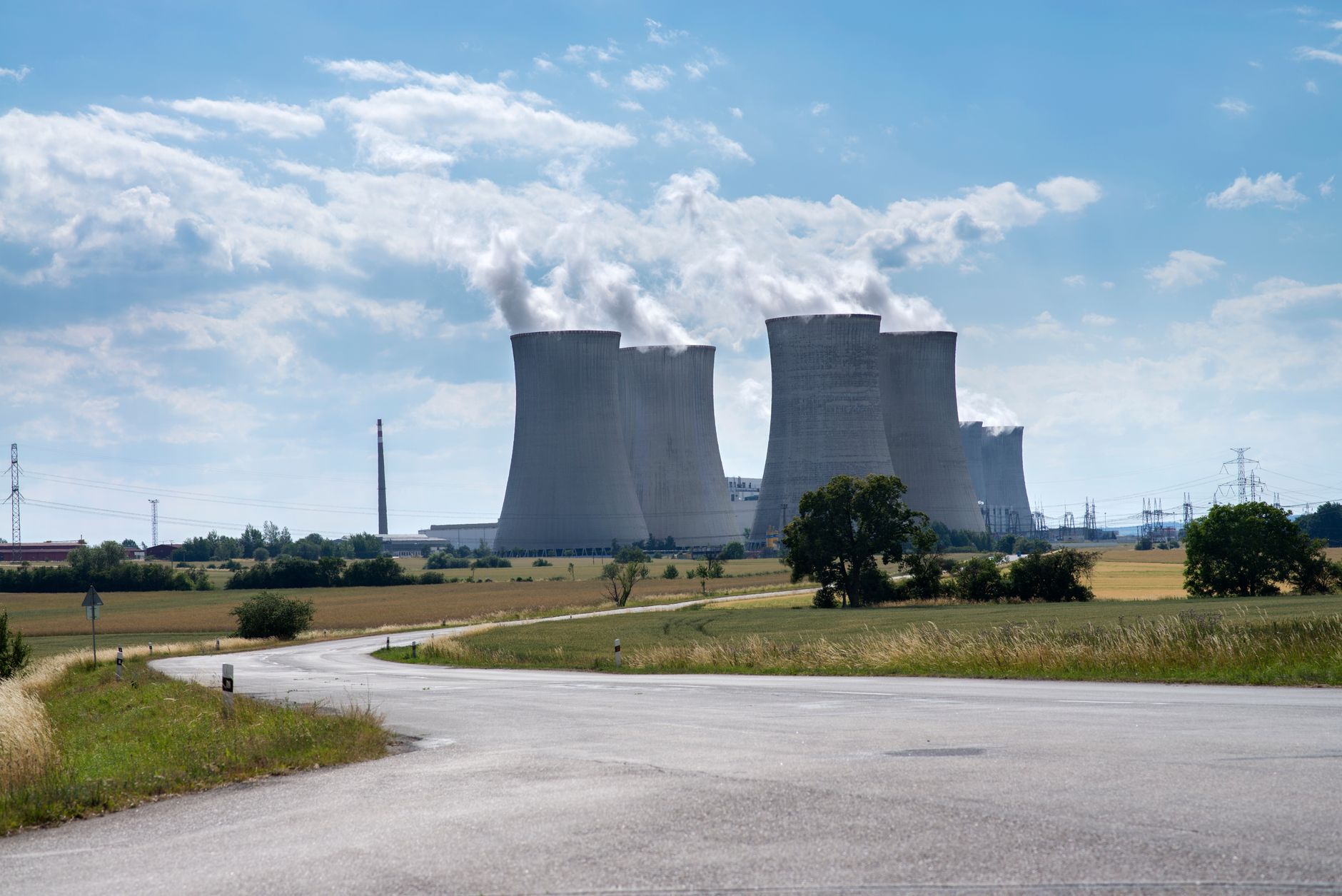
What the fusion news actually says
World Nuclear News reported on 12 November 2026 that bids have been invited for construction of the UK prototype fusion plant. That is the headline, and it is a procurement step: companies are being asked to tender for building work. It does not tell us where every contractor, supplier or worker will come from, and I’d be wary of anyone who claims to know the local job numbers already.
What it does signal is that the project is moving from planning towards construction. Construction phases are when demand for site trades, engineers and supply-chain firms tends to rise, and those firms recruit from across the country, including the South East.
Why Dungeness matters to Kent
Dungeness on the Romney Marsh has hosted nuclear power stations for decades. Dungeness A has been in decommissioning for years, and Dungeness B has also stopped generating. Decommissioning is skilled, long-term work: safely dismantling plant, managing waste, monitoring the site and keeping it secure. It means a local workforce already understands nuclear safety culture, which is a real asset when new energy projects look for people.
That legacy also means local colleges, employers and contractors in East Kent and the Marsh already know how nuclear-sector recruitment works. If you’re near Lydd, New Romney, Hythe or Folkestone, that knowledge sits on your doorstep.
Which jobs could nuclear and fusion projects create?
Nuclear and fusion projects mainly create jobs in engineering, construction, maintenance, safety and project support, and most of them don’t require a degree. Typical roles include:
- Electricians and electrical technicians
- Mechanical fitters, welders and pipefitters
- Instrument and control technicians
- Health physics and radiation protection technicians
- Site managers, planners, quantity surveyors and health and safety advisers
- Security, logistics and admin staff
Fusion adds specialist areas such as vacuum systems, superconducting magnets, robotics and remote handling. Those lean towards engineering degrees, but technicians who can maintain and operate such equipment will be needed too.
How do you get into nuclear and fusion work from Kent?
The most common route is an apprenticeship, and the national apprenticeship service on GOV.UK lists current vacancies, including engineering and nuclear-related schemes. Start at the government apprenticeship search and filter by engineering, construction or energy.
A practical order of play:
- Check your base skills. Maths, English and a recognised trade qualification (such as an electrical or mechanical engineering NVQ or T Level) open most doors.
- Look at local colleges. Kent has further education colleges with engineering and construction departments, such as those in Folkestone, Canterbury, Maidstone and Dover areas. Ask what links they have with energy employers.
- Watch employer pages. Large contractors and site operators advertise apprenticeships and graduate schemes directly. Bookmark the careers pages of the organisations running nearby sites and the fusion programme.
- Add sector-specific training. Security clearance, safety passes and radiation awareness are often taught on the job, so you don’t need to pay for them up front.
Retraining if you’re changing career
Adults aren’t shut out. Many apprenticeships have no upper age limit, and the National Careers Service offers free advice on retraining and funding. Skills from the armed forces, automotive repair, building services and manufacturing transfer well, because nuclear employers value discipline with procedures and paperwork as much as technical skill.
If you already hold a trade, ask about sector-specific top-ups rather than starting from scratch. A qualified electrician, for example, may need extra site-safety and quality-assurance training rather than a whole new qualification.
What to be realistic about
Construction of a prototype plant takes years, and the jobs arrive in waves, not all at once. Some will be based at the plant site, wherever that turns out to be, and others in factories and offices around the country. Commuting or temporary relocation may be part of the deal. Treat fusion as one strand of a wider energy picture that includes decommissioning, offshore wind, grid upgrades and new nuclear, all of which use similar skills.
My advice: don’t wait for a fusion vacancy to appear. Build a trade or technical qualification now, keep your CV current, and apply for energy-sector apprenticeships and roles as they come up. If you’re also getting the house ready for the colder months, our winter home checklist for Kent is a good way to use the dark evenings before you start on the CV.



Leave a Reply