

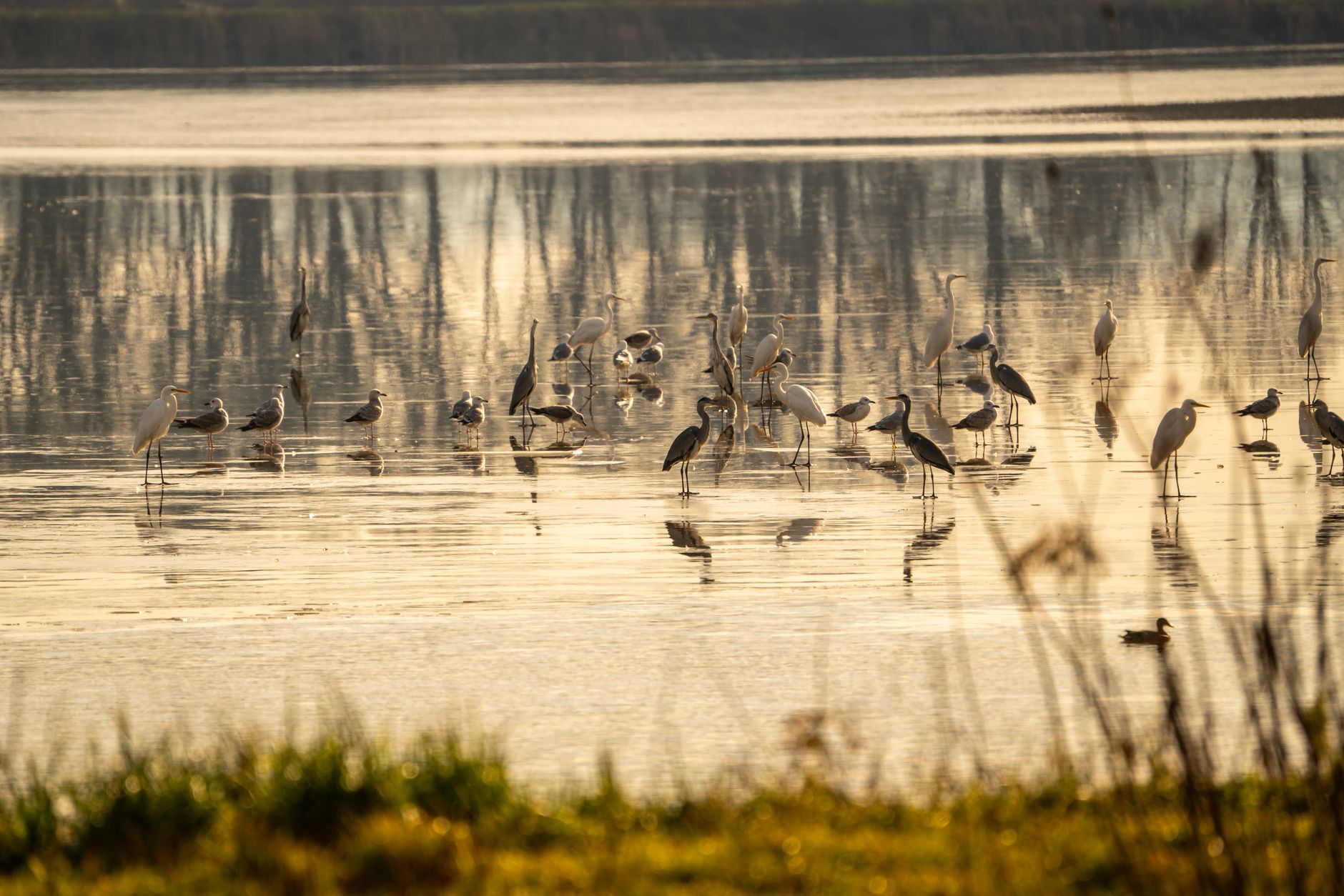
It is a grey Sunday in late November, the roast is hours away, and the family is restless. Rather than another walk round the same park, head for the coast. Winter wildlife Kent has to offer is at its best between November and February, when thousands of wading birds and wildfowl arrive on the estuaries and seals haul out on the north Kent sandbanks.
This guide covers where to go, what you are likely to see and what to wear so you stay out long enough to enjoy it.
Why does Kent get so much winter wildlife?
Kent gets a lot of winter wildlife because its north coast has large, muddy estuaries and marshes that stay ice-free when northern Europe freezes. Birds breeding in the Arctic, Scandinavia and Siberia fly south to feed on the worms, snails and shellfish in the mud.
The Thames, Medway and Swale estuaries and the North Kent Marshes are protected for exactly this reason. Large parts are designated as internationally important for wintering wildfowl and waders. The Swale is also a National Nature Reserve area, and the Thanet coast and Sandwich Bay add more habitat on the east side.
Wading birds and wildfowl to look for
The classic winter sight is a flock of waders wheeling over the mudflats as the tide comes in. Species you have a good chance of seeing include:
- Dunlin and knot: small, fast flocks that twist in unison over the water.
- Avocet: black and white with an upturned bill, now a regular winter bird on Kent estuaries.
- Curlew and redshank: the curlew has a long curved bill and a haunting call.
- Brent geese: dark geese that graze on the saltmarsh and fields along the coast.
- Wigeon, teal and pintail: ducks that gather on the grazing marshes and flooded fields.
Timing matters more than most people expect. Waders feed on the mud at low tide and get pushed close to the shore as the tide rises, so aim to arrive an hour or two before high tide. Check a local tide table first.
Where to go for winter wildlife in Kent
Elmley National Nature Reserve, Sheppey
Elmley is a working grazing marsh on the Isle of Sheppey with big skies, lapwing, wigeon and often hunting barn owls and marsh harriers. Visitors park and walk or use the reserve trails. Check the reserve’s website for current opening arrangements before you travel.
Oare Marshes, near Faversham
Run by the Kent Wildlife Trust, Oare Marshes sits on the edge of the Swale and is one of the easiest places to see waders and wildfowl from a path. Hides overlook the pools and the creek.
Capel-le-Ferne to Sandwich Bay
Sandwich Bay on the east coast is good for winter birds, including snow buntings on the shingle in some years, plus seabirds offshore after storms. Walking the beach here is also a pleasant way to spend a morning.
Seals on the north coast
Both common and grey seals live in the Thames Estuary, and you can see them hauled out on sandbanks at low tide. Boat trips run from places such as Whitstable and Margate when weather and tides allow, and they keep a respectful distance. From land, bring binoculars and look for dark shapes on the banks near Whitstable and Sheppey. Never approach seals on a beach. A mother with a pup, or a resting animal, can be disturbed easily, and you should keep dogs well away.
What should you wear for winter wildlife watching?
Wear several thin layers, a waterproof outer, and a hat and gloves, because estuary coastline in Kent is exposed and the wind chill is much worse than the forecast temperature suggests. Standing still watching birds is colder than walking.
- Feet: waterproof boots with warm socks. Marsh paths get muddy and wet.
- Body: a base layer, a fleece and a windproof, waterproof coat.
- Muted colours: greens, browns and greys disturb birds less than bright clothes.
- Extras: binoculars, a flask of tea and a seat pad if you plan to sit in a hide.
If you are coming home to a chilly house, our winter home checklist for Kent is worth a look before the cold really sets in.
Starling murmurations and the rest of the season
Starling murmurations are most often seen from late autumn through winter, in the hour before dusk, when huge flocks gather over reedbeds and roost sites. Kent has several roost sites, so ask at a local reserve or check the Kent Ornithological Society or Kent Wildlife Trust websites for recent sightings rather than relying on a single spot. They are unpredictable, so treat a sighting as a bonus.
Plan for short days. Sunset in Kent in December is around 3.50pm, so arrive in good time and check your route back before the light goes. Many reserves have rough tracks and no street lighting.
Looking after the wildlife
Winter is a hard season for wintering birds, which need to feed as much as possible in short daylight. Keep to marked paths, keep dogs on a lead near the shore and marshes, and do not walk onto mudflats to flush birds for a photograph. For general guidance on protected sites, the Natural England pages on gov.uk are a good starting point. A free local reserve website will tell you what is on this week, which is the best next step before you set off.




Leave a Reply